Competition for Space: Creating the Office for the Next Economy
London 15 October 2026 – Oliver Jackson, Director at Endurance Land, a Member of Nan Fung Group, recently contributed to the October issue of The Occupier, occupier consultant Devono’s publication. His article, Creating the Office for the Next Economy, forms part of the issue’s wider theme, Competition for Space. Read the full article below:
Creating the Office for the Next Economy
Market shift
The biggest change in the London office market over the last 12 months has not been the amount of demand, but the quality and nature of it.
Occupiers are becoming clearer about what they want their office to achieve. A good-quality building in a good location is no longer enough. Businesses are asking how their workspace can help them attract and retain people, support growth and create opportunities that would not otherwise exist. The office is becoming part of the infrastructure of the business.
This is particularly evident among New Economy businesses, especially those operating in AI and other technology-led sectors. These companies are often growing quickly, competing for highly skilled people and operating in markets where the pace of change is extraordinary. They need space that can accommodate that change, with the power, technology and adaptability to support growth, alongside the environment and amenity that gives people a reason to come together.
The result is a more competitive and more sophisticated office market. Occupiers are taking longer to make decisions, but when they commit, they are more deliberate about where they want to be and what they need from the building. The question is no longer simply where space is available, but what that space can deliver for the business occupying it.
AI businesses illustrate this particularly clearly. Their requirements often include enhanced power, advanced technology, adaptable floorplates and the ability to accommodate rapid growth. At the same time, they need workplaces that help bring talented people together. The next generation of office buildings therefore needs to be designed around both infrastructure and experience.
We are no longer simply competing to provide more square feet. We are competing to create places that can give businesses an advantage.
Changing negotiations
I have recently seen negotiations become much more focused on the total occupational proposition. Rent and incentives remain important, but occupiers are increasingly looking beyond the headline numbers. They want to understand how adaptable the space is, what happens if they grow, what the building provides beyond their demise and how easily they can use the wider estate.
For a fast-growing company, adaptability can be more valuable than another few months of rent-free. Can it expand? Can it take additional space quickly? Can the building accommodate higher power requirements?
We understand that businesses are not static. That is why we design adaptability into our buildings from the outset, creating space that can respond to changes in technology, business models, workforce requirements and the way people work.
Amenity and connection
There has been a lot of discussion about office amenities, but we need to look beyond gyms, cafés and roof terraces.
Good food and coffee, wellness, meeting spaces, event areas, terraces and end-of-trip facilities all contribute. But the more important question is what makes people want to come together.
We want to create places where people can meet, exchange ideas and make connections beyond their own company.
Innovation ecosystems
At Endurance Land we have the benefit of being part of a global business in Nan Fung.
Nan Fung has a long-standing, focus on innovation, entrepreneurship and creating ecosystems around new ideas. Through The Mills Fabrica, for example, it brings together entrepreneurs, investors, businesses and other partners to help innovative ideas develop and reach the market.
We are taking that philosophy and applying it to our London developments.
The approach in action
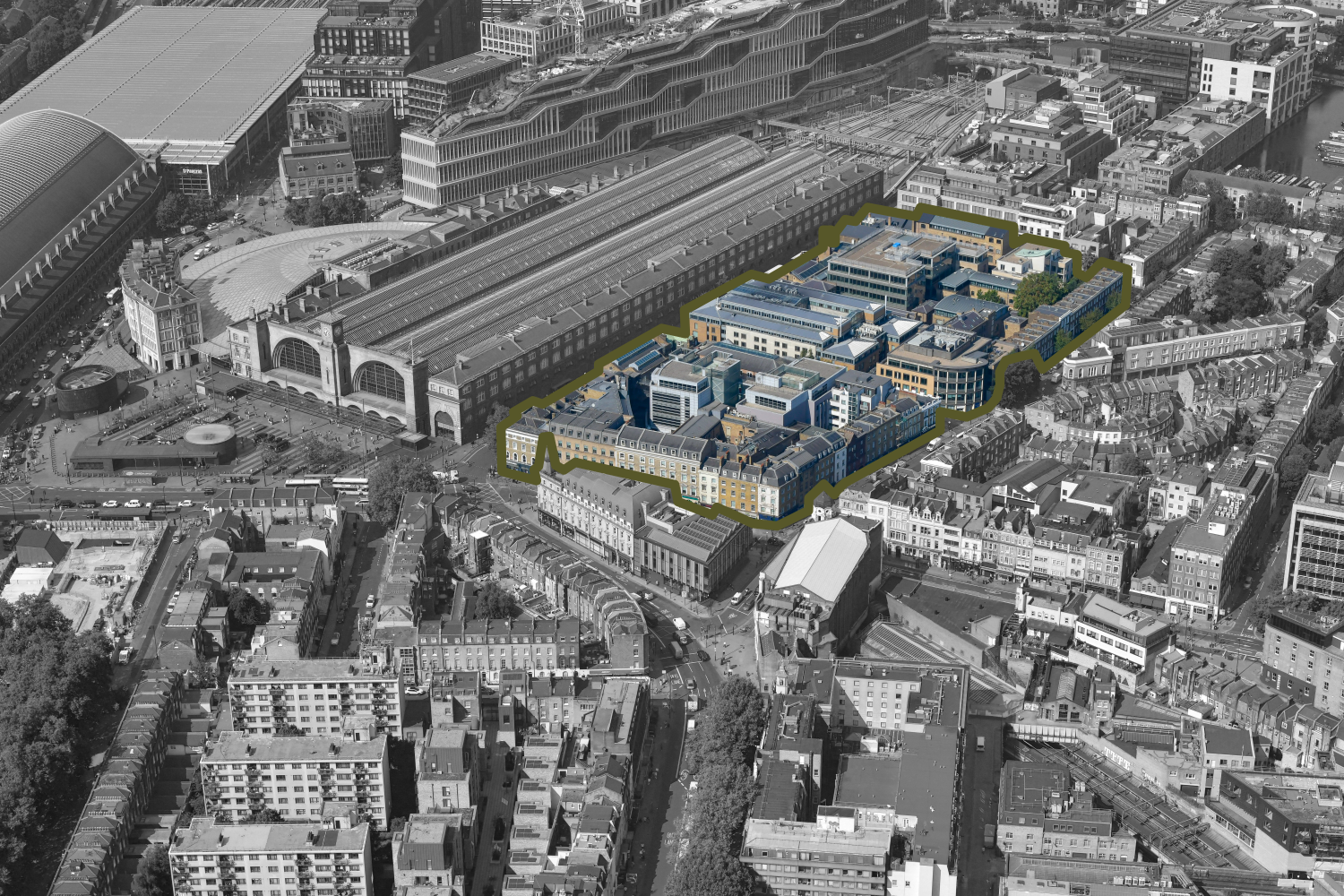
Regent Quarter
At Regent Quarter, we are responding to these changing occupier expectations with flexible lease solutions across the estate. Different businesses are at different stages of growth, and we do not believe one lease structure necessarily works for everyone.
The arrival of OpenAI is a good example. Its 90,000 sq ft commitment at Jahn Court and Brassworks is significant in its own right, but it also strengthens the wider ecosystem. Regent Quarter brings together offices, retail, leisure, food and beverage and businesses across different sectors.
The next phase, including Times House and the Laundry Building, will build on that proposition with further high-quality, adaptable workspace and enhanced infrastructure, including power provision for technology and life science businesses.
99 City Road
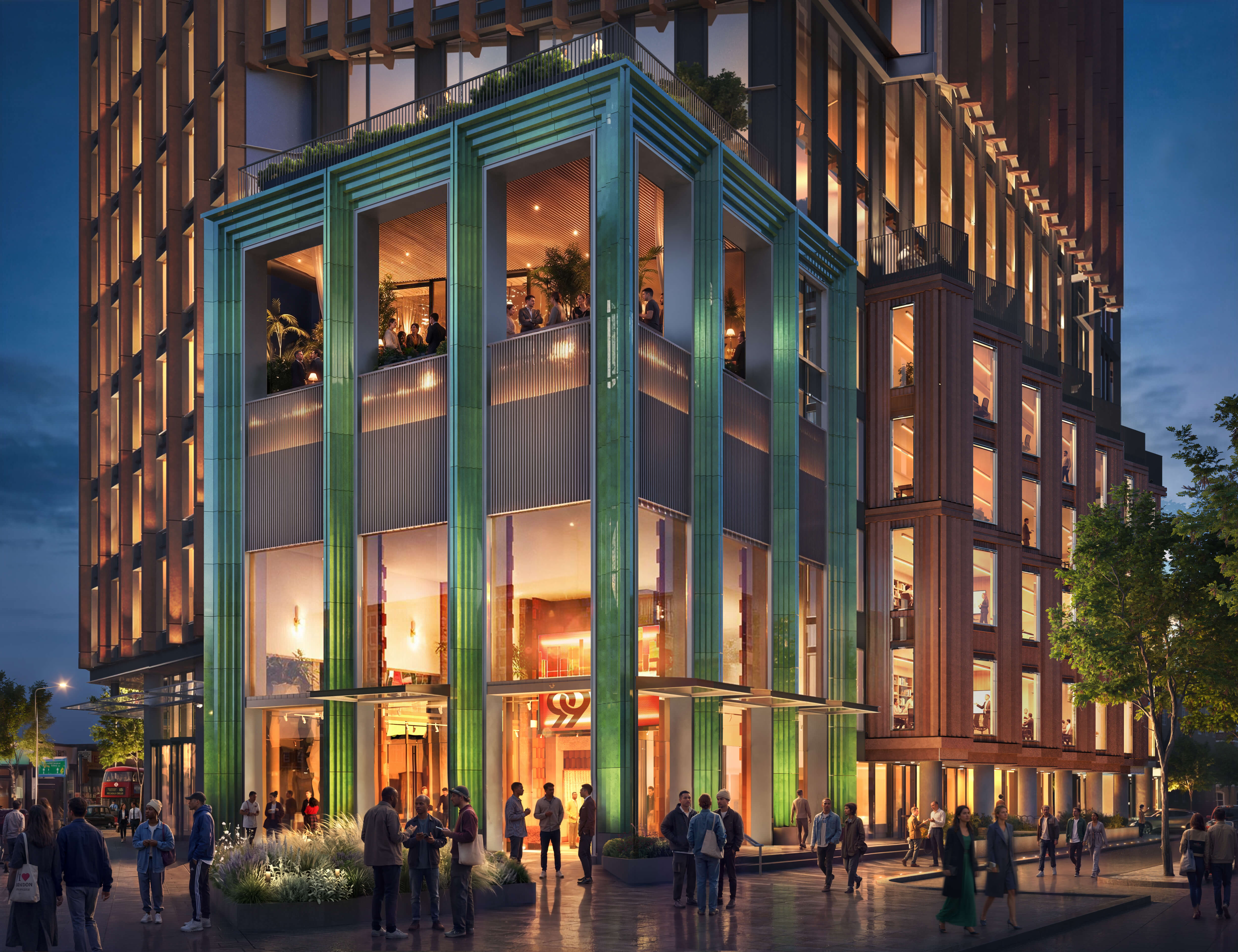
At 99 City Road, we are applying the same thinking to a building designed around the needs of technology and innovation-led businesses. The development will provide 475,000 sq ft of space across more than 35 storeys, with a variety of adaptable floorplates and 360-degree views across London from the fourth floor upwards.
The proposition extends beyond the workspace itself. The Great Room provides a significant event and gathering space, complemented by wellness facilities, dining and cafés, conference lounges, terraces, end-of-trip facilities and a makerspace.
High-power capacity is another important part of the infrastructure, particularly for businesses whose technology and operational requirements are evolving rapidly.
We have designed these elements to work together rather than simply adding amenities to an office building. The result is a workplace that gives businesses the flexibility, infrastructure and range of spaces to support different ways of working as they evolve.
We want an idea, conversation or connection made in the building to lead somewhere unexpected.
That is what we mean by an innovation ecosystem: creating the environment in which ideas and possibilities can transcend what they might otherwise have been.
Competing for the future
For us at Endurance Land, keeping an office portfolio competitive is not about constantly adding more features. It is about understanding where businesses are going and investing ahead of that demand.
At Regent Quarter, that means continuing to develop the estate as an innovation-led campus, with OpenAI now joining a growing community of businesses, while Times House and the Laundry Building add further high-quality, adaptable workspace and enhanced infrastructure.
At 99 City Road, it means creating a workplace for technology and innovation-led businesses, with adaptability, power, sustainability and flexibility built into the design from the outset.
Across the portfolio, we listen to occupiers and adapt our approach.
I think that is where the competition for space is heading.
The question is no longer simply, “Where do we want our office to be?”
It is becoming, “What can this place do for our business that somewhere else cannot?”
The buildings that can answer that question convincingly will be the ones that continue to attract the businesses shaping London’s next economy.
View the full issue here: https://devono.com/insights/the-occupier-competition-for-space